

How roofing works
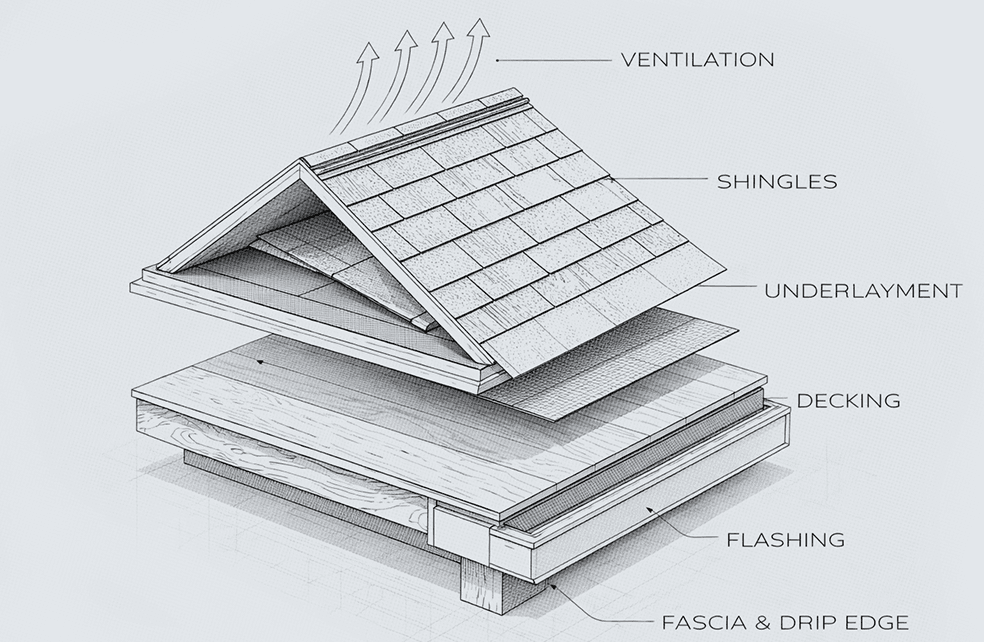
A roof is more than just shingles. A complete roofing system is made of multiple layers that work together to protect your home, manage moisture, and extend the life of your roof.
Ventilation
Helps regulate airflow, temperature, and moisture in the attic.
Shingles
The outer layer that protects your roof from weather and defines its appearance.
Underlayment
A protective barrier installed beneath the outer roofing material for added water resistance.
Decking
The structural base of the roof, typically made of wood panels.
Flashing
Installed around critical areas such as chimneys, valleys, and edges to help prevent leaks.
Fascia & drip edge
Finish the roof edge and help direct water away from the structure.
Common roofing materials
Asphalt
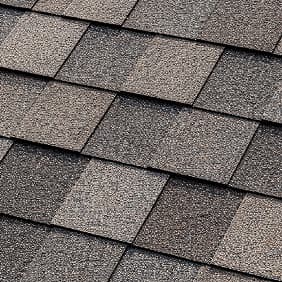
A common and durable option, typically lasting around 15–20 years.
Metal
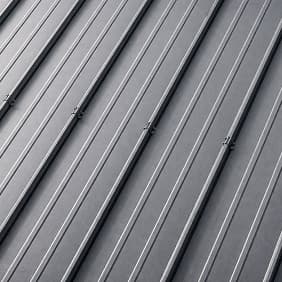
Known for durability and long-term performance, often lasting 30–50 years.
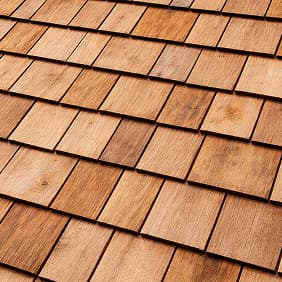
Wood
A natural-looking option with a moderate to long lifespan depending on material and maintenance.
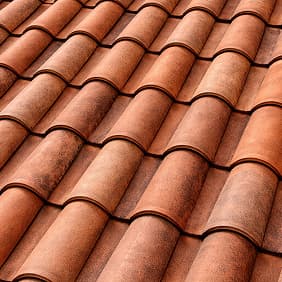
Clay / Tile
A long-lasting material that can reach 50+ years.
What affects your roof’s lifespan
Heat
Constant sun exposure can accelerate wear over time.
Rain & moisture
Storms, humidity, and trapped moisture can damage roofing materials.
Poor ventilation
Traps heat and moisture inside the attic, affecting overall roof performance.
Lack of maintenance
Without regular inspections and cleaning, small issues can turn into costly damage.
Signs your roof may need attention
Attic ventilation issues
Poor airflow can lead to heat and moisture buildup inside your home.
Damaged or missing shingles
Exposes the roof to water infiltration and further structural damage.
Cracked or failing flashing
Weak sealing around edges and joints can cause leaks.
Signs of rot, mold, or water damage
Indicates moisture problems that can compromise the structure.
Not sure what
condition your roof is in?
Get a clear recommendation from our team
Get your free estimate